This website is intended exclusively for healthcare professionals and medical device manufacturers.
By accessing this site, you confirm that you belong to one of its of these categories and understand that the information provided is specifically intented for a professional audience.
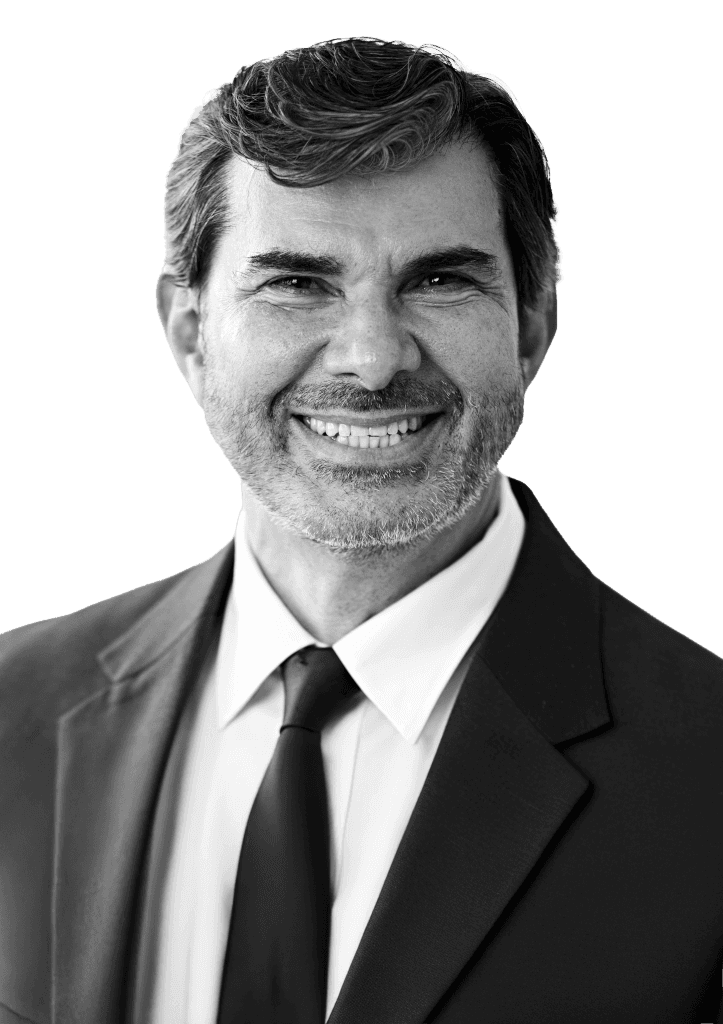
"As a medical examiner, I analyze skulls to identify gender, age, ethnicity, and stature."
Male and female skulls are very different. We see dimorphisms across the upper, mid, and lower thirds of the face. In the lower third, the male mandible is higher, stronger, and more robust than the female one. In general, the male skull is angular, while the female skull is softer and more rounded.
The male forehead is flatter, and the supraorbital ridge is much more pronounced than in women. The glabella, at the base of the nose, is also stronger in men. The midface in men has no anterior projection, while in women it usually projects slightly forward. The lower face shows even greater differences. The male chin and lateral mandible are higher, creating a natural disproportionality. Beauty standards often emphasize this higher and more projected lower third as a mark of masculinity.
Because the bone structure determines the external appearance. A solid understanding of skull and bone variations is essential for planning treatments. Men and women do not age in the same way. Bone, muscle, fat, and skin each change differently, and one layer influences another. Surgeons must recognize these processes to restore and reduce changes over time.
Patients may want to reinforce masculine or feminine traits, or they may ask for features associated with another gender. Treatments today are becoming more diverse and often genderless. We must listen carefully to what patients want, then adapt with products, techniques, and an understanding of anatomy.
As a medical examiner, I analyze skulls to identify gender, age, ethnicity, and stature. Although forensics and surgery appear to be separate fields, they enrich one another. Studying bone structures for identification has strengthened my surgical work, especially in relation to aging and reconstruction. This excerpt is adapted from an interview with Dr. Luiz Eduardo Toledo Avelar.

Dr. Henry Delmar

Dr. Ahmed El Muntasar

Pr. Jean-Paul Meningaud


Dr. Vania Hiratsuka Dalmedo

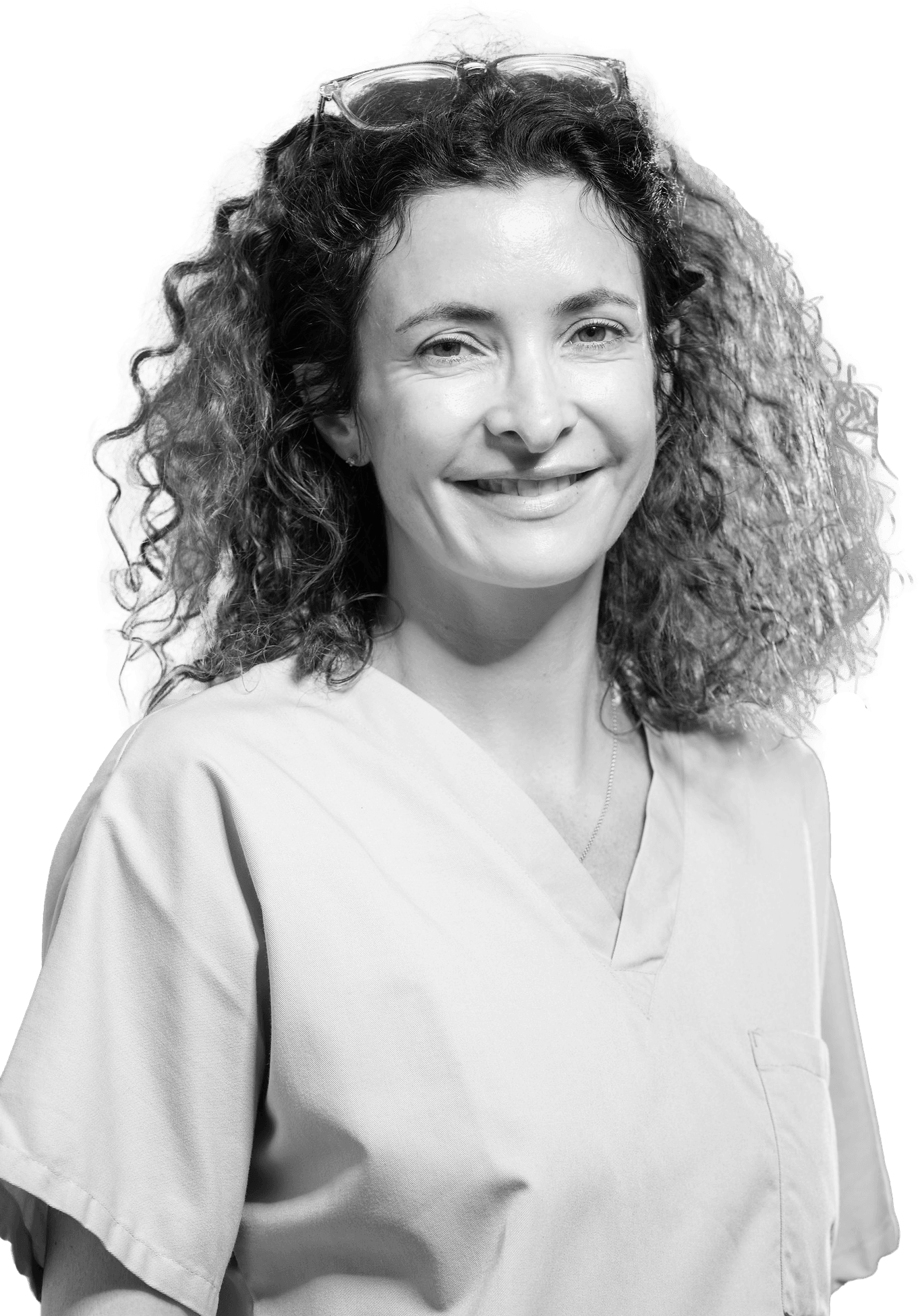
Dr. Sophie Converset
Dr. Henry Delmar
Dr. Ahmed El Muntasar
Pr. Jean-Paul Meningaud
Dr. Vania Hiratsuka Dalmedo