This website is intended exclusively for healthcare professionals and medical device manufacturers.
By accessing this site, you confirm that you belong to one of its of these categories and understand that the information provided is specifically intented for a professional audience.
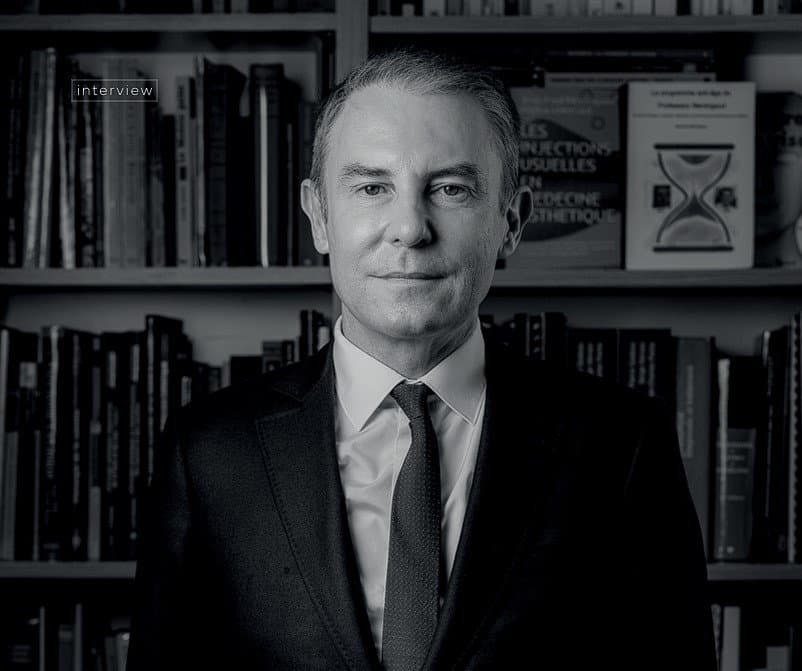
"I decided to transition into private practice to offer my patients more quality time and a more personalized approach"
Jean-Paul Meningaud, MD, PhD, is a Professor of Plastic Surgery, Head of the Department of Plastic and Maxillofacial Surgery, and Director of the Department of Ambulatory Surgery at Henri Mondor Hospital (Hospitals of Paris). A member of the European Board of Cranio-Maxillofacial Surgery, he holds a diploma in microsurgery and an HDR (Habilitation à Diriger des Recherches), a postdoctoral degree that authorizes the holder to supervise other researchers. Professor Meningaud and his team have extensive experience in the feasibility, reproducibility, risks, and benefits of facial transplantation.
He received the James Barret Brown Award in 2011 in the United States. He served as president of the European Association for Cranio Maxillo Facial Surgery from 2018 to 2020. He was the founder of the Specialized Studies Diploma in oral surgery and its first national coordinator. He oversees ten university degrees in aesthetic medicine, microsurgery, and dental implants. He conducts research in regenerative medicine and aesthetic surgery. A certified expert by the Cour de Cassation (the highest judicial court in France), he is a full member of the French National Academy of Surgery. He is the President of the AIME Congress for Surgery and Aesthetic Medicine.
He is one of the founding fathers of the Inter University Diploma in Aesthetic Medicine, which grants the title of aesthetic physician, and its first national coordinator.
At the end of high school, I naturally turned to a career as a researcher, deeply influenced by the work of Watson and Crick on the structure of the DNA double helix. Thus, I began scientific studies at the University of Jussieu, with the ambition to specialize in molecular pharmacology. I had the opportunity to participate in cutting-edge research, notably on the first total synthesis of PAF acether.
At the same time, I enrolled in medicine, although I was not entirely convinced at first. However, over the years and encounters, medicine gradually captured all my attention and passion. My first internship in the cardiology intensive care unit was a turning point. The pragmatic dimension of this specialty then led me to surgery, and it was plastic surgery that truly seduced me, particularly with its holistic approach and the importance it places on patient psychology. Yet my passion for research never faded. Today, I have nearly 300 publications indexed in PubMed, reflecting my ongoing commitment to advancing scientific knowledge.
After more than twenty years of intense hospital and academic engagement, culminating at the highest university rank, I decided to transition into private practice to offer my patients more quality time and a more personalized approach. The institutional rhythm—often constrained—no longer allowed me to practice with the availability required for high-level aesthetic and reconstructive surgery. Private practice gives me access to an optimized surgical environment where I can refine my techniques — including deep plane facelifts, regenerative surgery, and lipoedema surgery — with a team fully trained in my protocols.
This transition does not interrupt my scientific activities: I continue my research, publications, and congress leadership, while developing new forms of teaching such as masterclasses and international fellowships. Finally, this evolution also meets a personal need for balance, allowing me to reconcile professional demands, innovation, and family life, while continuing to provide the highest quality of care to each patient.
They are extraordinary procedures, situated at the crossroads of surgical prowess, the frontiers of immunology, and the psychological limits of the patient. This experience truly pushes you beyond yourself. I also had to face the intensity of media exposure — a dimension for which none of us had been prepared. I continue to be involved in this field, treating transplanted patients in chronic rejection who are in critical condition and contraindicated for retransplantation. These are extreme reconstructive cases of staggering complexity — technical, psychological, and immunological. I am currently working on an alternative to allotransplantation for major facial reconstructions. This aspect of my work remains largely unknown, as I am often perceived only as an aesthetic surgeon. This perception does not bother me, as my primary goal is to alleviate suffering. It must be acknowledged that aesthetic concerns themselves can generate profound distress.
To be honest, I am very worried. No one dares to talk about it, but we are facing a generation that, during their childhood, had very few opportunities to engage 70 in manual work. Yet, everyone agrees that surgery is undoubtedly the most demanding manual activity in the world. Surgical dexterity is acquired like a foreign language: the younger you start, the more instinctive the mastery. Try learning English (or French) at 14: with effort, you will speak correctly. But you will never be completely bilingual. The same goes for the precision of the surgical gesture. In the past, children engaged in multiple manual activities: they changed the spokes of their bike, repaired flat tires with patches, built airplane or boat models, made cabins, knitted, embroidered... So many formative experiences that have disappeared and are sorely lacking today.
You might have heard this classic joke: A person on the street asks a passerby, “How do I get to Carnegie Hall?” The passerby responds, “Practice, practice, practice!” The secret to success can be summed up in three words: work, work, work. Everything rests on the ability to offer a scientific program of such quality that it concretely transforms the professional practice of the congress participants. Every hour invested must translate, for them, into a real gain: an enriched activity, both more intense and more qualitative. To achieve this goal, there is no mystery: you must be at the forefront of advances and know how to attract the best speakers from around the world.
Professor Hersant and I have had the privilege of being invited for over a decade to share our work at scientific conferences around the world. Many opinion leaders we invite today to our own congress are long-time friends. We wanted to bring them together in Paris, both to offer our audience the benefit of their expertise and to maintain these bonds that unite us. By a natural ripple effect, each of them comes accompanied by their own audience, further enriching the scope of our event. That said, the congress will be translated into French to allow everyone to attend comfortably.
In recent years, advances have been remarkable in almost all areas: whether it be energy-based devices, injection techniques, regenerative medicine, hair transplants, menopause management, eco aging, anti-aging, new tension threads, or medical cosmetology, progress is constant and stimulating. All innovations in these areas will be highlighted. This year, we wanted to particularly spotlight Aesthetic Surgery, giving a special place to maxillofacial surgery and oculoplastic surgery. An entire room will be dedicated to them throughout the congress.
AIME occupies a unique position, halfway between the very large international congresses such as IMCAS or AMWC, and regional congresses, which also have their legitimacy. AIME thus offers a hybrid format: a program that is both dense, international, and accessible, allowing congress participants to fully grasp all the content. Its second particularity lies in its leadership: two academics at its head, bringing a resolutely academic and rigorous vision.
Finally, since its creation, AIME’s DNA rests on a clear requirement: to deliver directly applicable knowledge, concrete and transferable knowledge, immediately useful in the daily practice of participants.
I am convinced that the new university diploma granting the title of aesthetic physician is both a regulatory tool and a mechanism for legitimizing practitioners who dedicate most of their career to aesthetic medicine. Beyond regulation, it will significantly contribute to improving the quality of practices in this field. I am very pleased to have been entrusted with its implementation — it was a difficult battle, but fortunately a successful one. In any case, the needs of the population will continue to grow, particularly in Europe. It is therefore essential that we support this evolution by actively engaging in the training of medical professionals.

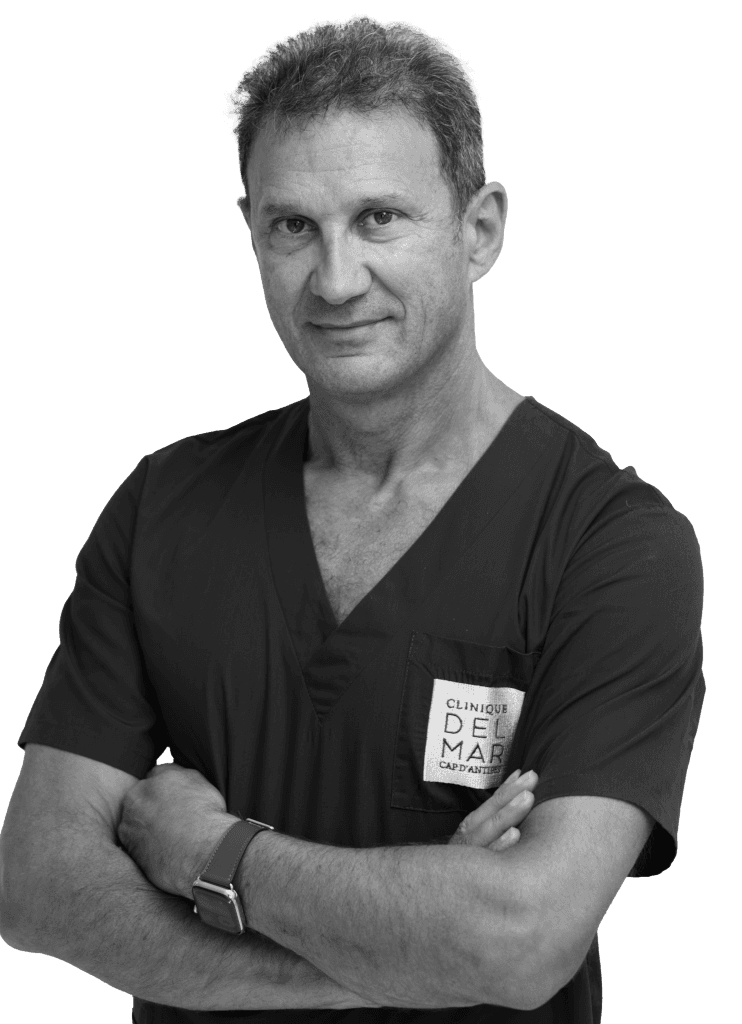
Dr. Henry Delmar

Dr. Ahmed El Muntasar
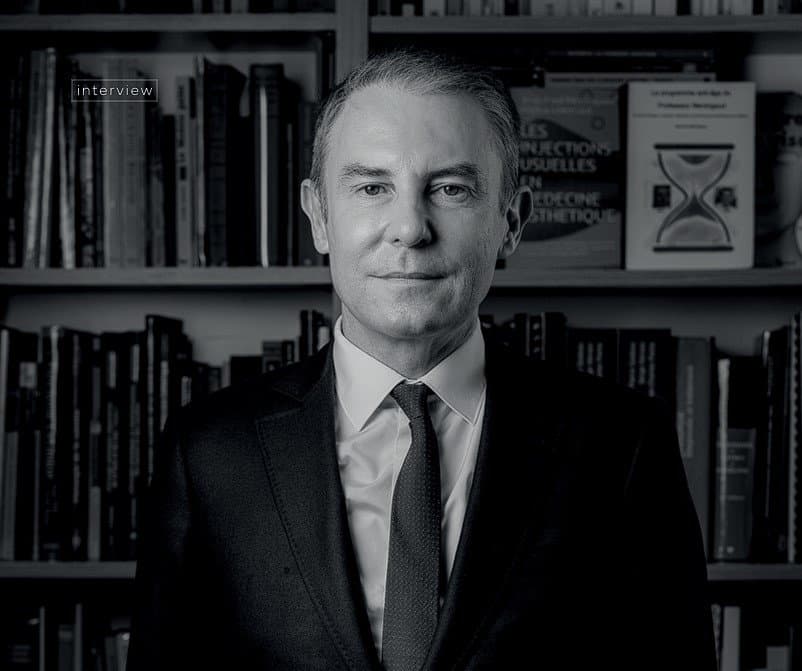
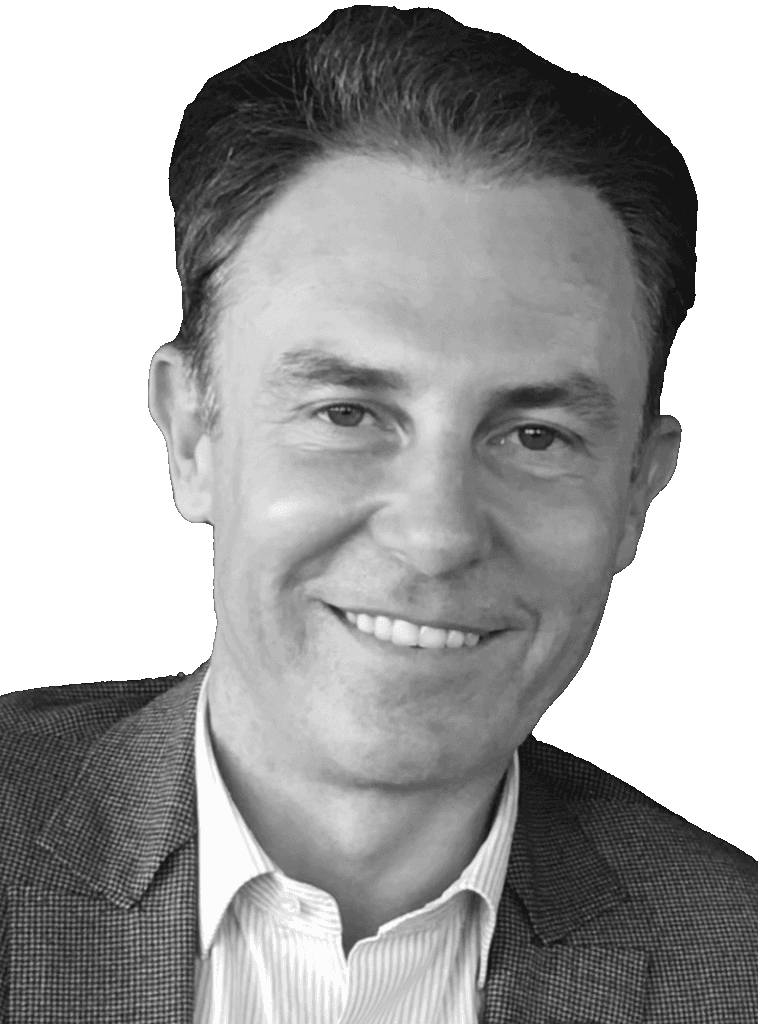
Pr. Jean-Paul Meningaud


Dr. Vania Hiratsuka Dalmedo
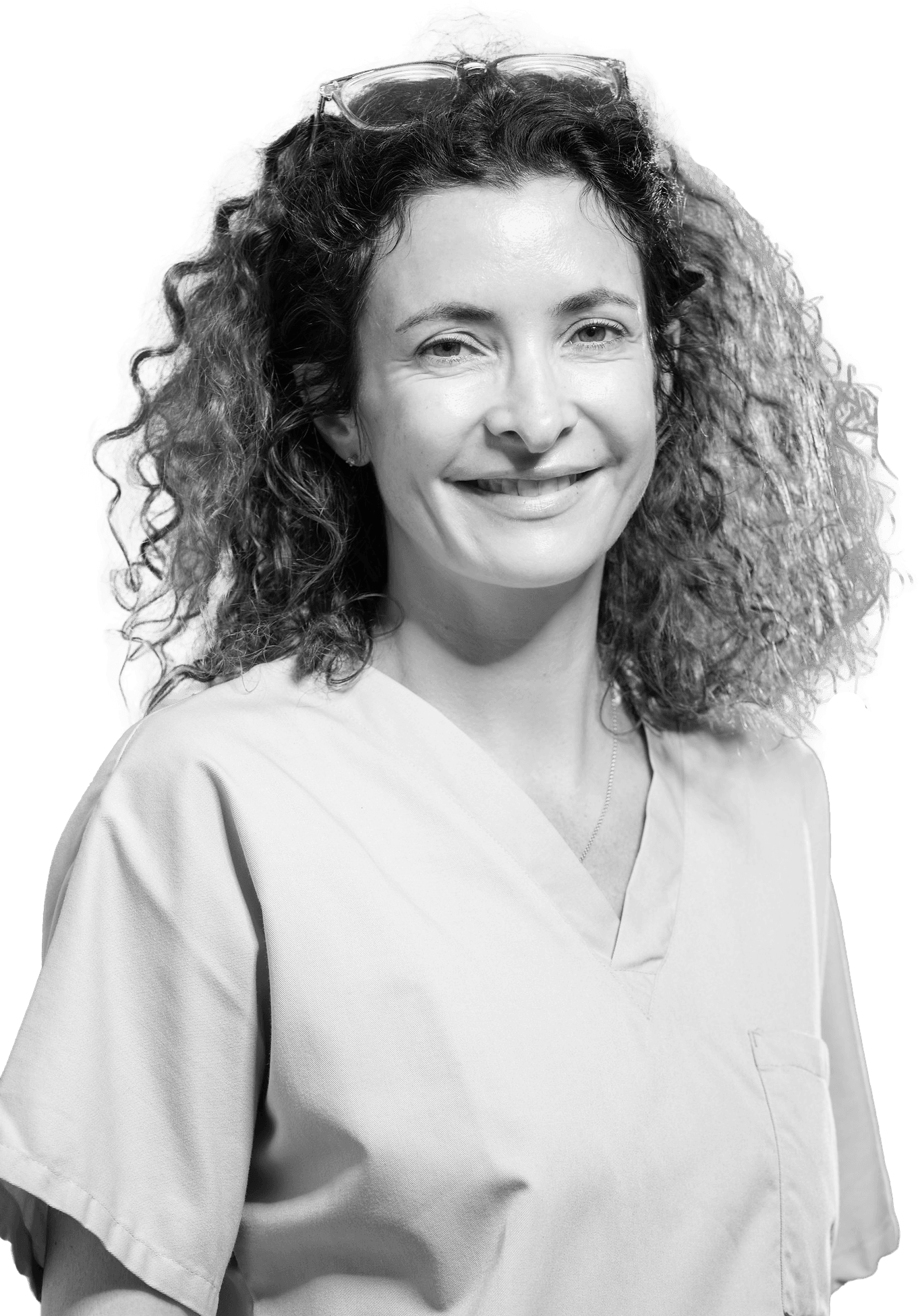
Dr. Sophie Converset
Dr. Henry Delmar
Dr. Ahmed El Muntasar
Pr. Jean-Paul Meningaud
Dr. Vania Hiratsuka Dalmedo